


Share Article:


An organized, up-to-date record of your donors—the people who make your mission possible—is a powerful resource for any organization. Utilizing a donor list for your nonprofit is a highly effective way to manage your past, present, and potential donors under one streamlined strategy.
In the article below, we’ve outlined what a donor list is, how it can help make your outreach efforts more effective, and the simple steps to building a nonprofit donor list will help you streamline your overall donor management strategy.
What are donor lists for nonprofits?
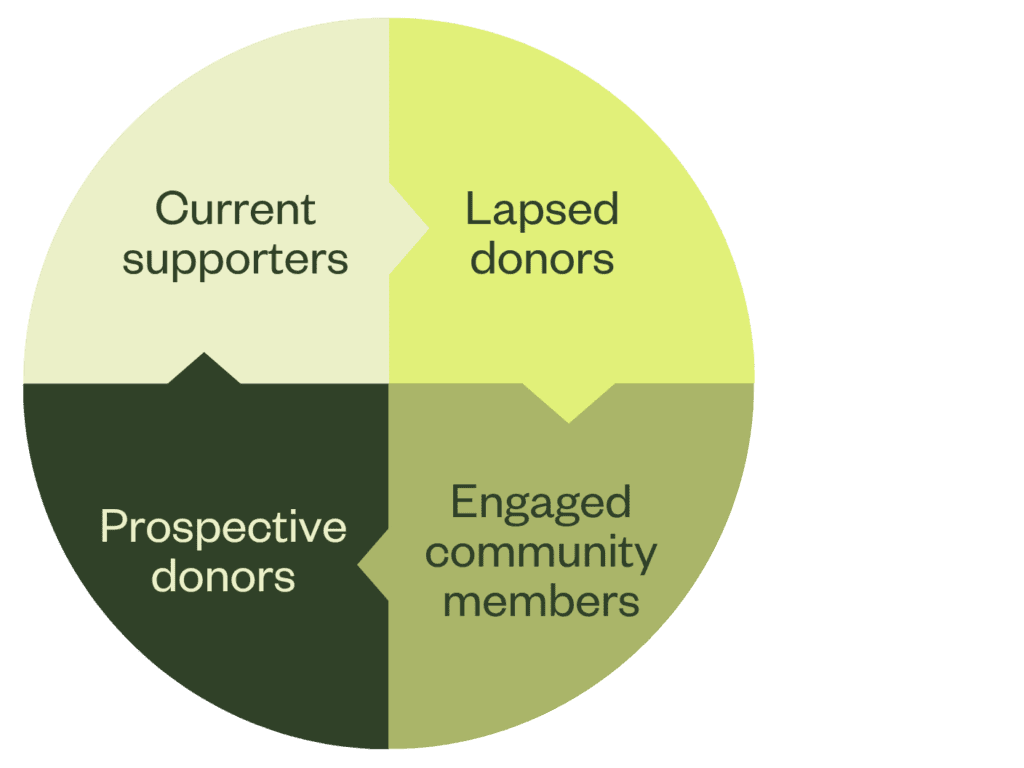
A donor list for nonprofits is a curated, organized list of current donors, prospective donors, and supporters. Donor lists can typically be broken down into:
- Current supporters: Regular givers and those who’ve given in the last year.
- Lapsed donors: Those who’ve given in the past but haven’t contributed in a set time period (often 12 to 18 months).
- Engaged community members: Individuals who volunteer, attend events, subscribe to your newsletter, or make other non-monetary contributions to your mission.
- Prospective donors: Those who’ve shown an interest in your mission but haven’t yet made a financial contribution.
Why your organization needs a donor list
Imagine a sprawling list including some first names, emails, and a handful of donation amounts going back years in your nonprofit’s history. While many nonprofits have something similar to this (and there’s nothing wrong with starting out this way), imagine that same list as a structured donor database, including full names, donation amounts, contact preferences, and more.
While the first example might help you track down a phone number or email, the second version can help you build a strong outreach strategy. It can help you prevent lapsed donors, steward potential major donors, and help you tailor your fundraising to your unique audience.
Here’s a more detailed breakdown of how a donor list can help your nonprofit organization:
Prioritize and streamline your outreach
A donor list helps you prioritize the people who care most about your cause. It can help you streamline communication, track contributions, and strengthen supporter relationships. Ultimately, it’s about working smarter—not harder.
Find donors
There many ways to find new donors. But when your donor acquisition strategy is part of your wider nonprofit overview, it’s often easier to take the relationship-building steps required to transition them into active donors.
With a donor list, it’s also easier to leverage existing donors to connect with potential donors via fundraising events, advocacy efforts, peer-to-peer fundraising, and word of mouth.
Retain existing supporters and identify lapsed donors
Donor lists make it easier to craft targeted, thoughtful communication or offer new opportunities for involvement based on real interest. This helps build continued engagement, boosts donor retention, and makes donor lapses less likely.
Increase donor lifetime value
With higher donor engagement and retention rates, the average lifetime value of each of your supporters is likely to increase. For many nonprofits, retaining existing donors is key to more sustainable finances and fundraising.
In fact, studies show it costs around 5 to ten times more to acquire a new donor than to retain an existing one.
Identify potential major donors
While it’s often tempting to look beyond your existing support base for new major donors, your next high-ticket donor may have already made contact with your organization.
With a detailed donor list, you’re more likely to identify and successfully steward individuals with high giving potential or discover strong candidates for recurring giving among your existing donor base. Plus, your donor list will make it easier to communicate and build strong relationships with your prospects.
Track your growth and adapt your strategy
A well-thought-out donor list provides an overview of what your giving community looks like, including your strengths and opportunities for growth. It’s a way to centralize your communication efforts and intentionally cultivate your giving community.
Monitoring the number of active donors, potential major donors, and donors at risk of lapsing puts you at an advantage and means you can assess your overall performance and financial health at any given time.
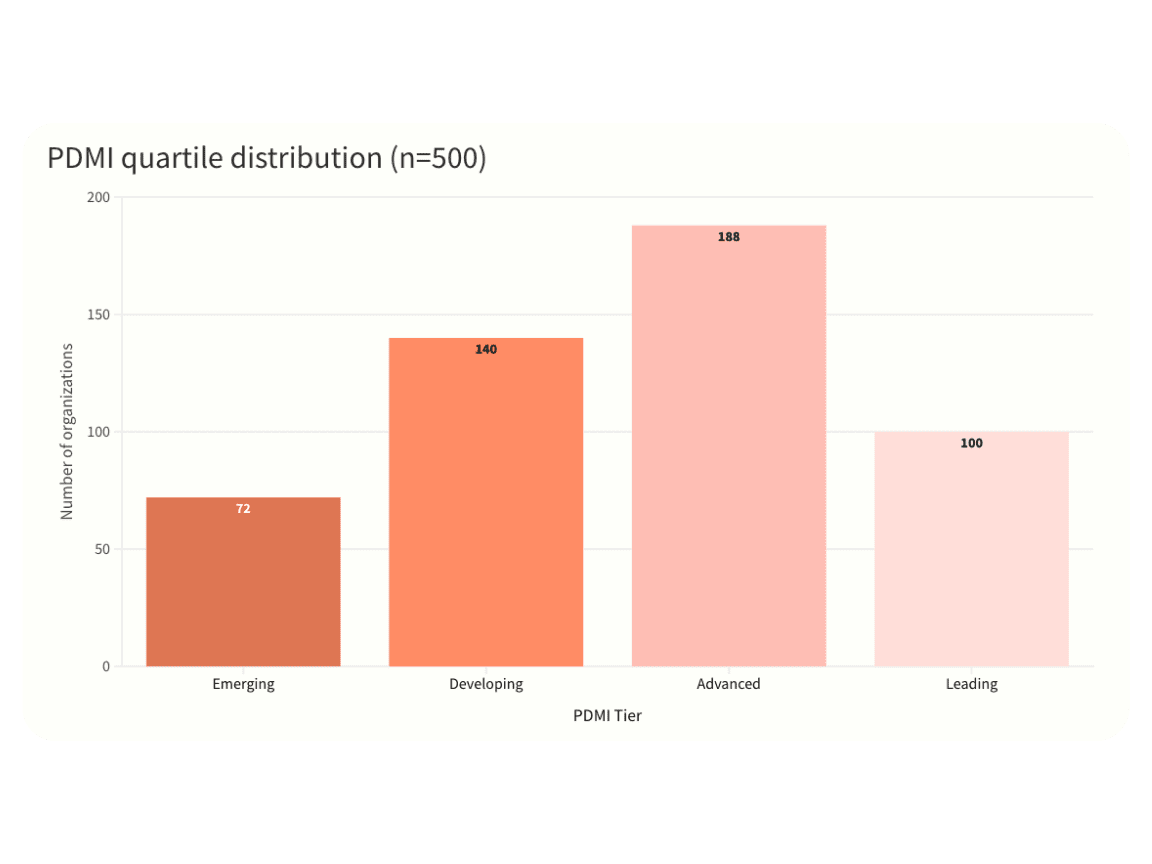
How mature is your organization?
There is a direct relationship between organizational maturity and revenue. Find out where you stand on the Prospect Development Maturity Index.
How to build a donor list
Some nonprofits use their fundraising CRM platform, dedicated software, or even an Excel sheet to build their donor list. How you format your donor list is up to your nonprofit, but you’ll want to make sure it’s standardized, well-organized, editable, and easy to filter—this way, you’ll be able to view and communicate with different groups of donors.
We’ve outlined the simple steps to an effective donor list below:
- Define your focus and goals
Start by defining one or two key priorities for your nonprofit. This can help you decide where to start building your donor list. Focus areas might include:
- Donor acquisition
- Donor cultivation
- Soliciting major gifts
- Retention
- Event promotion
Once you’ve determined your general focus, define your more specific, quantifiable goals.
If you want to acquire more donors, for example, your goal might be to secure 10 new donors before the end of the year. This type of specific goal makes measuring your success and adapting your strategy much easier, and you’ll have a better idea of where to start your donor list.
- Start with your existing donor base
Begin by organizing the data you already have, keeping in mind your nonprofit goals as you go. For example, if your goal is event promotion, you might start by reviewing all event attendees from the past 5 years, or offer discounted event tickets to lapsed donors as part of a reengagement effort. Remember to incorporate all donor types, including individuals, corporate sponsors, or legacy givers, for a more in-depth overview of your organization’s financial health.
While it might be tempting to start by expanding your donor list to include as many new donor prospects as possible, your existing data is made up of the people who’ve already shown an interest in your cause, and they’re likely to be your warmest leads—often, even in cases of securing new donors. Review data sources like event attendance records, donation records, newsletter lists, and social media accounts.
- Prospect new donors
Once you’ve centralized and organized your existing data, use donor prospect research software to find potential new leads. Let your board members know you’re looking to connect with new potential high-ticket donors, and review companies that donate to nonprofits.
Review annual reports, donor recognition lists, and newsletters to find individuals that donate to nonprofits like yours. Format your donor list so you can easily record communication touchpoints with your donor prospects.
https://kindsight.io/resources/cheat-sheets/prospect-research-cheat-sheet/ (“prospect research cheat sheet”)
- Create donor profiles
Create a donor profile for each person on your list, including contact information, involvement history, preferred communication, wealth indicators, donation history, and personal demographics like age, gender, and occupation.
While you’ll want to make your donor profiles as specific and detailed as possible, don’t worry if you don’t have all this information ready to go. You’ll be able to build out your donor profiles over time.
Keep a note of the categories and information that prove most useful in your outreach strategy. This way, you can prioritize collecting this information as you secure new donors.
- Segment your donors
Segmenting your donor base means categorizing your donors based on certain criteria. Donor segments help you conduct more targeted outreach, tailored to each donor group. It gives you a better understanding of who’s in your community, and provides a blueprint for fostering deeper connections.
Here are some of the most popular donor segments, and how you can leverage them to strengthen your nonprofit:
- Giving frequency and history: Identify who may become a recurring donor, who is new to your nonprofit, and which members of your support base are the most committed.
- Gift value: Determine the types of fundraising campaigns likely to appeal to your supporters based on their budget, who has the potential to become a high-ticket donor, and the average gift amount per donor to help with budgeting.
- Demographics: Glean insights into where to find new supporters, the most effective communication methods, and the types of fundraising events likely to appeal based on demographics.
- Engagement level: Reengage donors before they lapse, strengthen relationships with your most engaged supporters, and steward volunteers, event attendees, and nonprofit advocates into donors.
- Preferred communication: Segmenting your donors into groups based on how they communicate—whether social media, text, email, website, or through the paper mail—helps you craft outreach strategies that are more likely to resonate.
- Try implementing a score system
A standardized donor score system—one that includes an RFM (Recency, Frequency, Monetary) score framework—is an industry-standard way to evaluate your data. Implementing this system helps you quickly identify potential high value donors, donors at risk of lapsing, and supporters who are primed to become recurring givers.
Base your score system on your nonprofit goals. For example, if you’re trying to secure new donors, assign a point for volunteer shifts, prior donations, or event attendance. You can then prioritize and segment your list based on your donors’ point score.
- Review, adapt, and update your list
Think of your donor list as a living document. Static lists can quickly become outdated, risking missed opportunities for connection. Be sure to update yours regularly, delete duplicate profiles, and practice good data hygiene.
Review your success metrics compared to your goals. Say your goal was to increase your donor retention rate—if you haven’t seen the results you hoped for, revisit your donor list to see if there’s additional information you can capture, such as communication preferences, interests, or campaign involvement.
Consider reaching out to your donors to ask for their feedback on your donor communication. This can give you valuable insights, which you can incorporate into your donor list and use to inform your engagement strategy moving forward.
Every nonprofit support base is different, and just like any other fundraising strategy, creating a donor list that helps you reach your goals takes some experimentation and willingness to adapt. But this simple tool can help you strengthen existing relationships, expand your support base, and create a fundraising strategy that keeps your nonprofit operating sustainably.
FAQs about donor lists for nonprofits
How to find donors for a nonprofit?
Start by leveraging your own support base by crafting email campaigns, launching peer-to-peer fundraisers, and creating shareable social media campaigns to spread awareness. Conducting prospect research and using online prospect research tools can also help you expand your existing donor base.
How to find out who donated to a nonprofit?
Generally, the names of people who donate to nonprofits are not public information, but there are still ways you can identify people who donated to a nonprofit, including
- Annual major donor reports published by nonprofits
- Foundation directories and databases
- State records
- Donor prospecting tools and platforms
What are the 4 types of donors?
The four main types of donors are individual donors, corporate donors, charitable foundations, and legacy donors.

Be the first to read our resources.
The world is changing quickly—and our resources help you stay on top of it all. Sign up to get new insights, success stories, and more, sent right to your inbox.
Explore related resources.
-
Understanding nonprofit burnout and how to prevent it

Post Understanding nonprofit burnout and how to prevent it
Learn what causes nonprofit burnout, how to spot the signs early, and how leaders and fundraisers can prevent it and protect their team and mission.
-
KindCon Partner Spotlight: Turning Data Into Impact with BWF Zuri

Post KindCon Partner Spotlight: Turning Data Into Impact with BWF Zuri
Learn how to calculate the most important fundraising metrics, boost retention, and turn data into real donor growth.
-
The essentials of donor databases for nonprofits
Post The essentials of donor databases for nonprofits
Discover key CRM features, explore top software options, and find the right solution to boost your fundraising.